Don't Support it.
Report it!
Buying from backyard and unlicensed breeders exacerbates the pet overpopulation crisis and contributes to animal cruelty and neglect. Our work to provide accessible spay and neuter can only be effective in the long run if intentional breeding for profit is also eliminated.
Report Illegal Breeding Activity
If you have evidence of illegal breeding activity currently occurring in the City of Columbia, Richland County, or Lexington County, please submit a request for a welfare check to be conducted by the appropriate animal welfare agency. Anonymous submissions are welcome.
Report Tax Evasion
The legal sale of goods and products in South Carolina requires the filing and payment of Sales and Use taxes to the SC Department of Revenue. This includes live animals.
If you suspect or know of an individual or company that has committed tax fraud, complete the Tax Violation Complaint Form (CID-27) and submit to FraudAdvisor@dor.sc.gov or mail to:
South Carolina Department of Revenue
Attn: Fraud Advisor
2070 Northbrook Blvd, Suite B7
North Charleston, SC 29406
Please note, SCDOR cannot update you on your complaint or any investigations. Information on tax related arrests and charges can be found on their 'News' page here.
Report Business License Concerns
Doing business within any municipality requires a license to legally conduct business activities. Selling animals for profit is a business. If you are aware of a business operating without a valid license, you may provide information to the following offices for their further investigation:
City of Columbia Business License Office - businesslicensemail@columbiasc.gov
Richland County - To anonymously report an unlicensed business in Richland County, contact the Ombudsman.
Lexington County - Lexington County does not require or issue business licenses. Instead, all land use activities must have a valid zoning permit.
Town of Lexington - Business Licensing
Other jurisdictions may have additional business licensing requirements.
Familiarize yourself with local ordinance pertaining to breeding requirements:
-
Richland County
-
City of Columbia
-
Lexington County
Three Types of Breeding Activity:
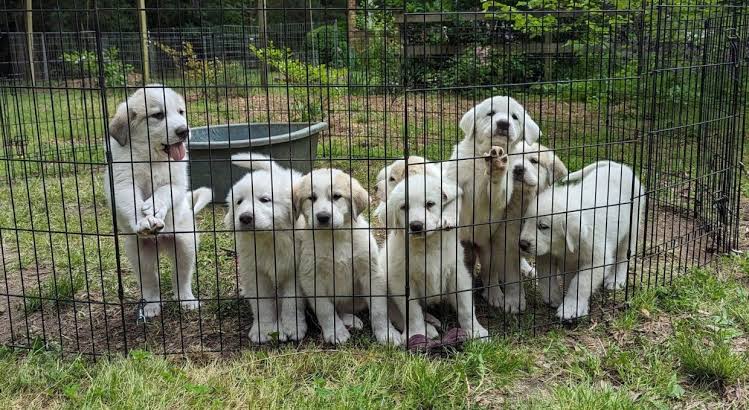
Licensed, Responsible Breeding
Responsible breeders follow all state and local requirements for licensing and sheltering of their animals. They provide breed-appropriate genetic and health screenings, limit litter frequency, are transparent with their living conditions, and are inspected annually by Animal Control.
We support ethical breeders.
To find a reputable breeder, be prepared to do your homework:
-
While we encourage adoption first, if you decide to purchase from a breeder, evaluate them closely for any red flags (see below)
-
Reputable breeders will never sell through pet stores, roadside stands, brokers, or anonymous online platforms.
Unlicensed, Backyard Breeding
Intentionally, whether for profit or not, enabling the reproduction of companion animals. This is often done without adequate resources, knowledge, or planning for potential complications.
Report it.
If you live in Richland County, Lexington County, or the City of Columbia, local ordinances are designed to restrict unlicensed breeding activity.
-
Collect detailed information and report to Animal Services using the form below.
-
If the animals are being sold, the income must be reported to SCDoR for the collection of sales tax (see below).
Accidental Breeding
Accidents happen, despite our best intentions! This category is the single largest preventable contributor to shelter intake and overcrowding.
We can help!
Our spay/neuter voucher program is open to all residents of Richland County (and Lexington County as well, when funds are available). We encourage all pet owners with a history of accidental litters to reach out to us for help.
-
Request a voucher online here
-
If you don't see a program that fits your needs or require additional assistance, please reach out to us!
Spot the Red Flags of Unlicensed Breeding:
-
Lack of documentation or paperwork for puppies and breeding dogs.
-
Poor living conditions, such as dirty or cramped cages.
-
Multiple different breeds being bred on-site.
-
Selling puppies at unusually low prices, compared to reputable breeders.
-
Inadequate genetic testing for hereditary health issues.
-
Absence of a health guarantee or medical history.
-
Refusal to allow potential buyers to visit their facility; selling out of a vehicle or in public spaces.
-
Selling puppies before they're at least 8 weeks old.
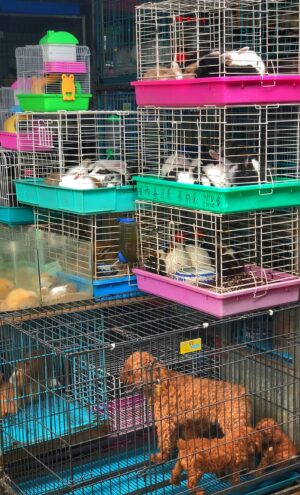
Doing business with an unlicensed breeder is:
- Unethical - Backyard breeders profit off the reproductive value of their animals, often discarding them when they are no longer of service in producing income.
- Unsafe - Breeding animals for profit means shortcuts on best practices for disease prevention, sanitation, and preventive medical care.
- Unnecessary- Area shelters are full of highly adoptable pets, and backyard breeders contribute to shelter overcrowding by adding their unsold inventory to the crisis when things don't go as planned.
Frequently Asked Questions
What is a backyard or unlicensed breeder?
Backyard breeding is the intentional breeding of animals for profit, often with insufficient medical care. When carried out on a large scale, the terms puppy mill or kitten farm are sometimes used.
Why is backyard breeding a problem?
Backyard breeders may not meet acceptable standards of care, and breed animals irrespective of whether there is a known demand for the offspring. Inadequate nutrition, infectious diseases (e.g., kennel cough, Parvovirus), parasite infestations (e.g., fleas and worms), behavioral problems, health issues, and genetic abnormalities are common in these situations, placing the welfare of animals at risk. Backyard breeding contributes to the unwanted companion animal population, and results in more animals entering already overcrowded shelters.
Is all breeding bad?
No. There are many ethical, responsible, licensed breeders who fill a valuable role in providing companion animals of high medical and genetic standards, with well-documented bloodlines. Responsible breeders prioritize the health, temperament, and well-being of their dogs over profit. They perform genetic health testing, thoroughly socialize puppies, and offer lifelong support, ensuring their dogs never end up in shelters.
I'm aware of someone engaging in unlicensed pet breeding and sales. How can I help authorities investigate?
Collect as much current and valid evidence as you can -- photos of roadside signs, screenshots of social media postings, links to online sales, legally obtained photographs of their activities, and as much proof of your claim as possible. Our online form can accept uploads of this info, and it will be forwarded to the proper agency for your location. You can remain anonymous if you choose, or request an update of the investigation once completed. Additionally, consider submitting a request to the South Carolina Department of Revenue if you suspect the breeder has failed to pay and file the required sale tax for their business income, as well as your local Business Licensing agency to insure they're licensed for sales.